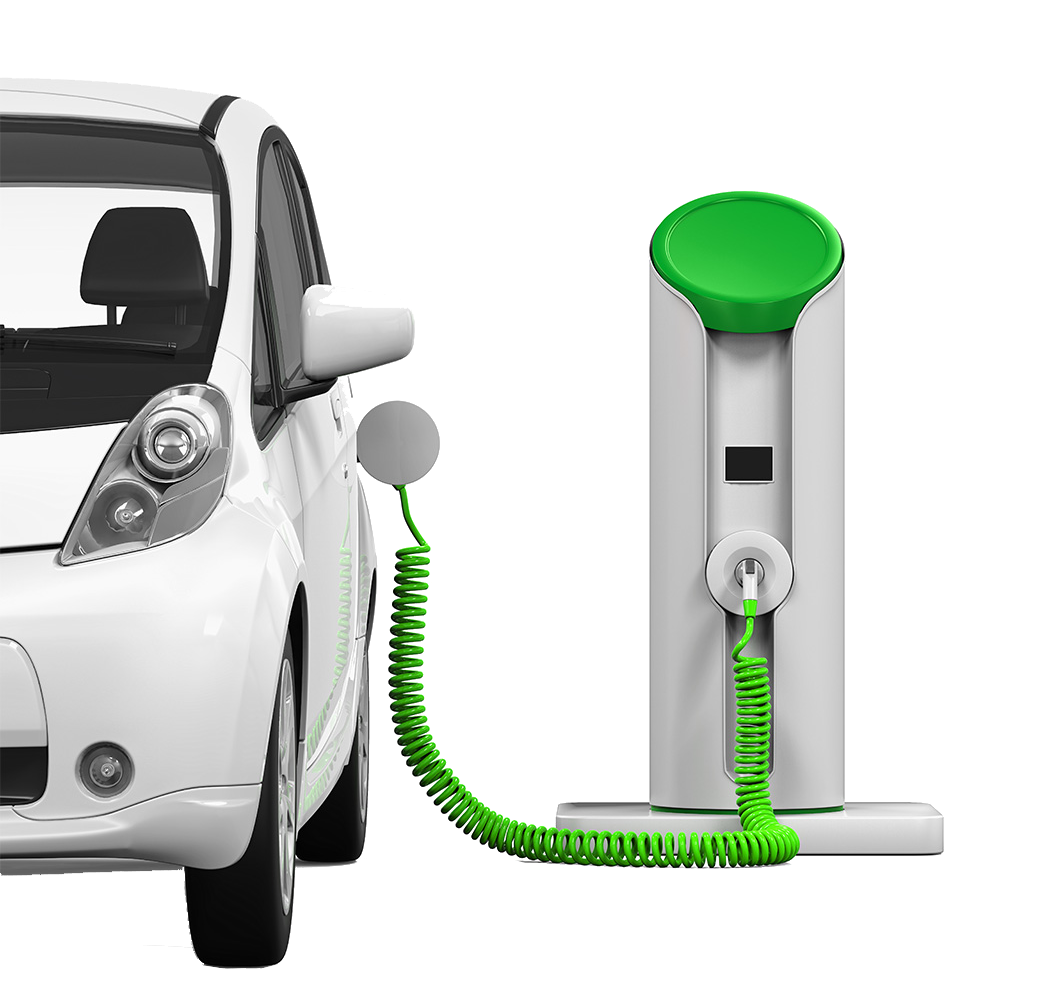
GPS Software for Electric Vehicle
Welcome to the Electric Vehicle page of Fleet Stack, where we explore the transformative impact of GPS tracking software in optimizing operations within the electric vehicle industry. In this article, we delve into the numerous benefits and practical applications of GPS tracking technology, highlighting how it improves efficiency, range management, and charging infrastructure for electric vehicles.
Fleet Management and Optimization
GPS tracking software is essential for fleet operators in the electric vehicle industry. It enables real-time tracking and monitoring of electric vehicles, allowing fleet managers to optimize routes, monitor battery levels, and schedule charging activities. By analyzing data on vehicle performance, battery health, and driver behavior, fleet operators can make data-driven decisions to improve efficiency, reduce energy consumption, and extend the lifespan of electric vehicle batteries. GPS tracking software improves fleet management practices in the electric vehicle industry.
Vehicle Security and Theft Prevention
Electric vehicle security is a priority for owners and fleet operators. GPS tracking software enhances vehicle security and theft prevention measures. By equipping electric vehicles with GPS-enabled devices, their locations can be continuously monitored. In the event of unauthorized movement or tampering, immediate alerts can be sent to the owner or fleet manager, enabling rapid response and recovery. GPS tracking software acts as a powerful deterrent against theft and provides peace of mind for electric vehicle owners.
Range Optimization and Efficiency
Range anxiety is a common concern for electric vehicle owners. GPS tracking software plays a vital role in optimizing range and improving efficiency. By using GPS data, electric vehicles can accurately calculate the distance to a destination, taking into account factors such as traffic conditions, elevation changes, and availability of charging stations. This allows drivers to plan their routes strategically and optimize driving patterns, resulting in greater range and improved overall efficiency.
Charging Station Navigation and Management
GPS tracking software helps electric vehicle drivers locate and navigate to the nearest charging stations. By providing real-time information on availability, charger types, and vehicle compatibility, drivers can plan their charging stops efficiently. GPS tracking software can also enable integration with charging networks, allowing drivers to access up-to-date charger availability and initiate charging sessions remotely. This streamlines the charging process, minimizes downtime, and improves the convenience of owning an electric vehicle.
Carbon Footprint Reduction
One significant advantage of electric vehicles is their reduced carbon emissions. GPS tracking software provides valuable data that can be used to measure and reduce the carbon footprint of electric vehicles. By tracking and analyzing vehicle use, charging patterns, and energy consumption, organizations can monitor their emissions and implement strategies to further reduce their environmental impact. GPS tracking software helps promote sustainable transportation solutions and achieve environmental goals.
Conclusion:
GPS tracking software has become an indispensable tool in the electric vehicle industry, driving efficiency, range optimization, and charging infrastructure management. From range optimization and charging station navigation to fleet management and security, GPS tracking technology offers a variety of applications that maximize the benefits of electric vehicles. By harnessing the power of GPS tracking software, electric vehicle owners and fleet operators can optimize operations, reduce carbon emissions, and contribute to a sustainable future.