
Fleet Management Software
Fleet Management Software (FMS) has become an essential tool for businesses with vehicle fleets, offering comprehensive solutions for tracking, monitoring, and optimizing fleet operations.
In the intricate web of transportation and logistics, where every mile matters and operational efficiency is paramount, fleet management software emerges as the linchpin that transforms the way organizations navigate their fleets. More than just a technological tool, fleet management software is a catalyst for a revolution in how vehicles are tracked, optimized, and maintained.
This comprehensive exploration unveils the multifaceted layers of fleet management software, delving into its core functionalities, the benefits it bestows upon organizations, and the pivotal role it plays in ushering in a new era of intelligent and streamlined fleet operations.
Start Free TrialCore Functionalities of Fleet Management Software
Fleet management software is a comprehensive solution designed to streamline the management and coordination of a fleet of vehicles.

Real-Time Tracking
FMS provides real-time tracking capabilities through GPS and telematics. This feature allows fleet managers to monitor the live location, speed, and status of each vehicle. Real-time tracking enhances visibility, enabling proactive decision-making, improving route optimization, and responding promptly to deviations or emergencies.
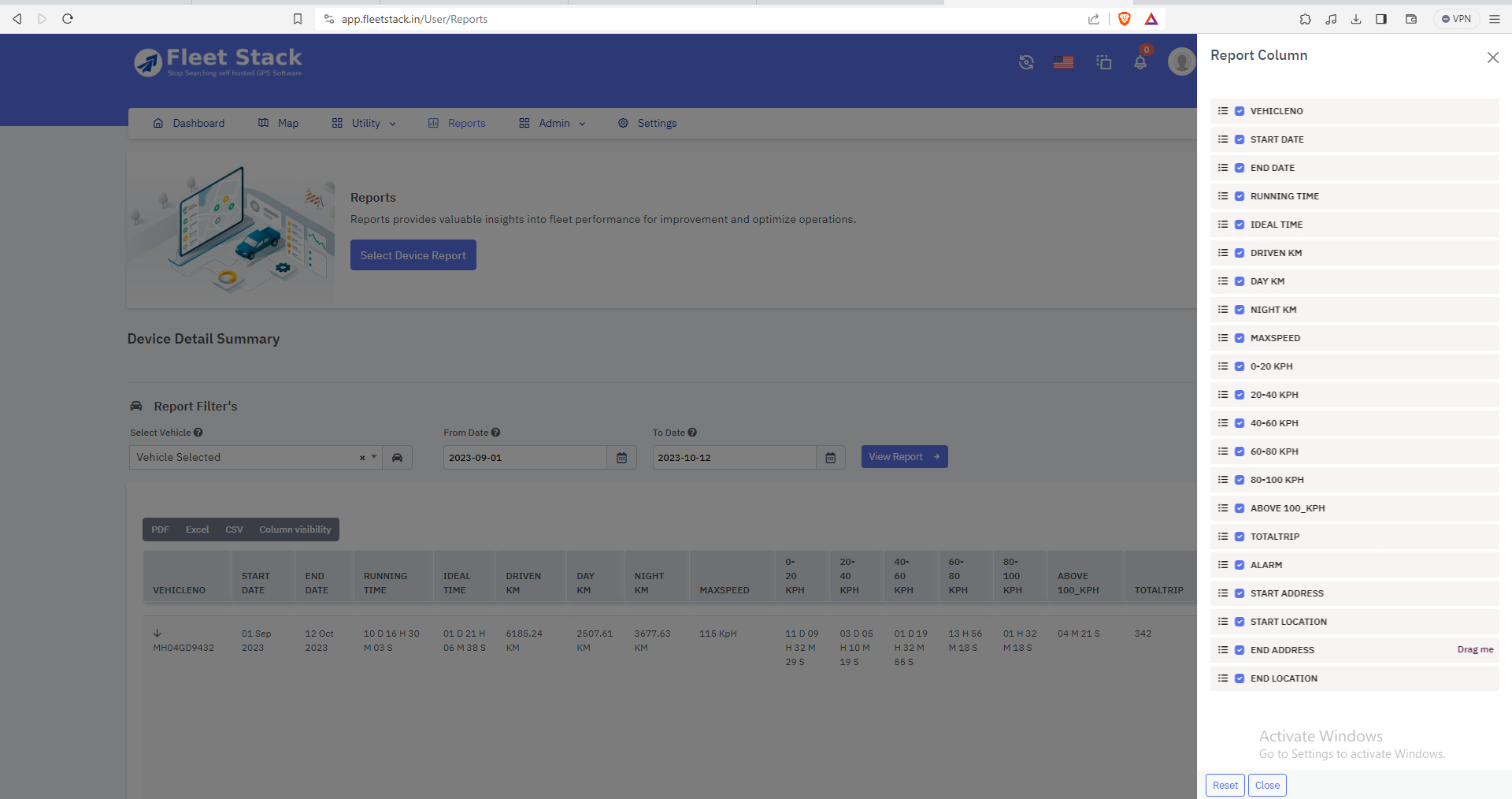
Advanced Reporting
Fleet Management Software generates detailed and customizable reports that offer insights into various aspects of fleet operations. These reports may include fuel consumption, driver performance, maintenance histories, and overall fleet efficiency. Advanced reporting facilitates data-driven decision-making, helping businesses identify trends and areas for improvement.
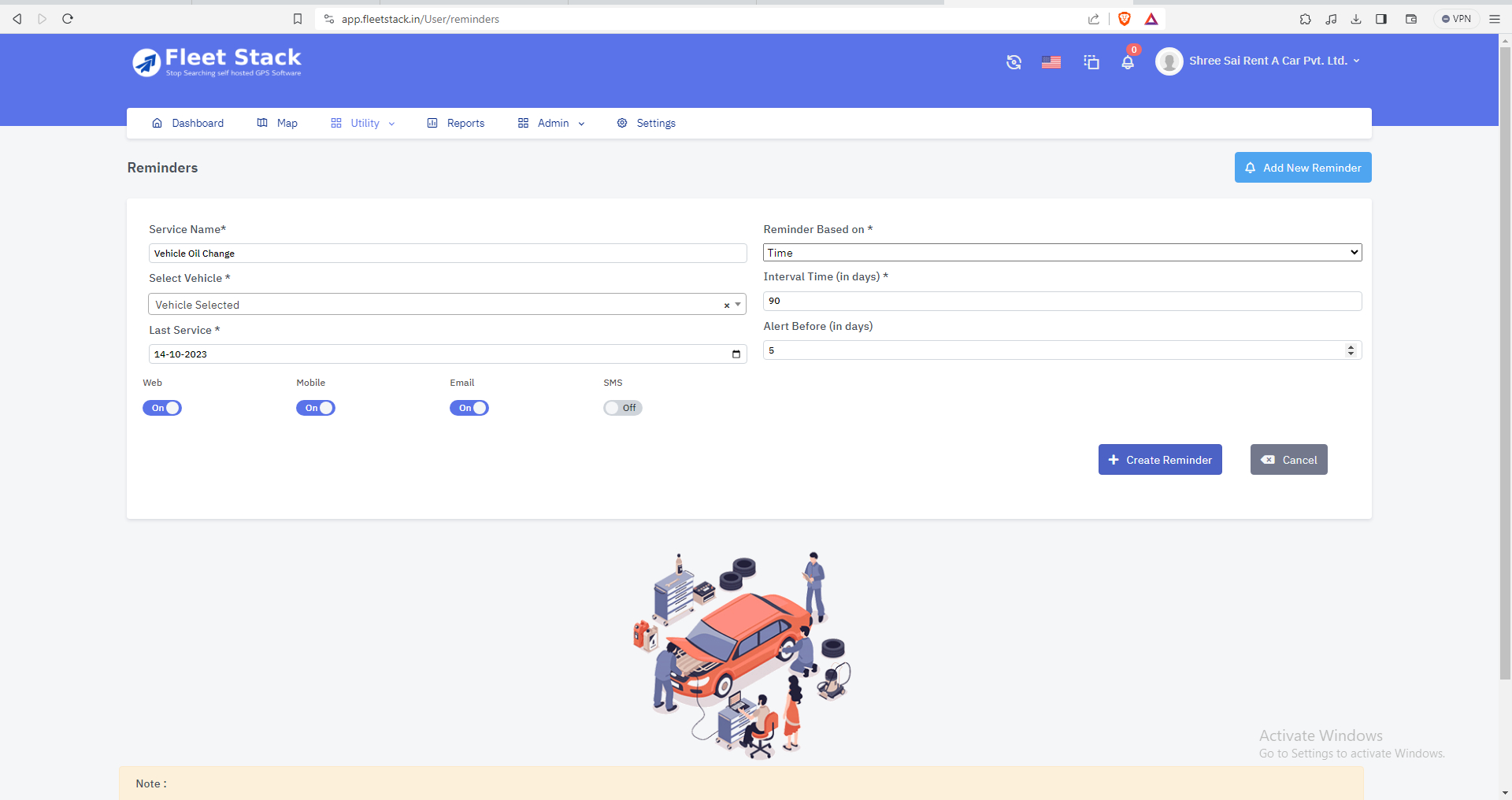
Maintenance Alerts
Proactive maintenance is essential for preventing breakdowns and extending the lifespan of fleet vehicles. FMS automates maintenance scheduling by sending alerts based on mileage, engine hours, or time intervals. This feature ensures that routine maintenance tasks, such as oil changes or inspections, are performed on time, reducing the risk of unexpected breakdowns.
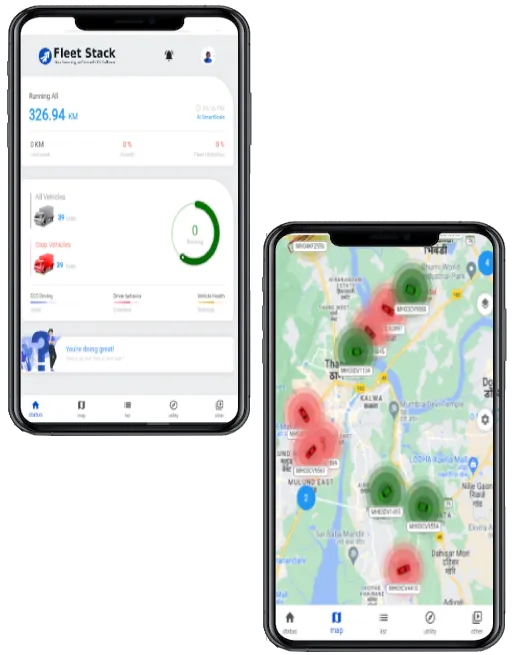
Mobile Accessibility
Modern Fleet Management Software is designed to be accessible on various devices, including smartphones and tablets. Mobile accessibility allows fleet managers and drivers to stay connected on the go, accessing critical information, receiving alerts, and updating the system from anywhere. This flexibility contributes to improved responsiveness and communication.

Driver Behavior Monitoring
Monitoring and analyzing driver behavior is a key feature of FMS. This includes tracking factors such as speed, harsh braking, and acceleration patterns. By promoting safe driving practices, businesses can reduce accidents, lower insurance costs, and improve overall road safety.

Multi Language
Recognizing the global nature of business operations, FMS often comes with multi-language support. This feature accommodates diverse teams and users, ensuring that the software is accessible and user-friendly for individuals who speak different languages within the organization.

User-Friendly Interface
The user interface of Fleet Management Software is designed to be intuitive and user-friendly. This ensures that fleet managers, drivers, and other users can navigate the software easily, maximizing its effectiveness without the need for extensive training.

Rest API Integration
Fleet Management Software offers Rest API integration capabilities, allowing seamless connectivity with other business systems. Integration with accounting software, inventory management systems, or HR platforms ensures that fleet operations are part of the broader organizational ecosystem. This interconnected approach enhances efficiency and data accuracy.
 What is Fleet Management?
Fleet management refers to the comprehensive oversight and control of a company's vehicle fleet. This includes everything from vehicle acquisition and maintenance to driver management, compliance, and more. Effective fleet management is crucial for organizations with a significant number of vehicles, as it directly impacts operational costs, safety, and overall efficiency.
Fleet Management Software is a sophisticated technological solution that combines various tools and features to streamline the processes associated with managing a fleet of vehicles. It serves as a digital nerve center, offering a unified platform where diverse aspects of fleet operations converge for efficient oversight. At its core, FMS is engineered to enhance the overall efficiency, safety, and cost-effectiveness of managing a fleet.
The Evolution of Fleet Management
The evolution of fleet management is a fascinating journey from manual record-keeping to the integration of advanced technologies. Initially, fleet management was a rudimentary process involving manual logs and basic vehicle maintenance. However, as technology advanced, so did the methods for managing fleets. The introduction of GPS tracking, telematics, and software solutions revolutionized the industry, enabling real-time monitoring, data analytics, and automation.
Rise of Fleet Management Software
The evolution culminated in the development of Fleet Management Software (FMS). This software is designed to consolidate various fleet management tasks into a centralized platform, offering a holistic view of fleet operations. FMS has become an indispensable tool for businesses of all sizes, providing a comprehensive solution for optimizing fleet performance.
Current Landscape: Cloud-Based and IoT Integration
In the present day, Fleet Management Software has embraced cloud computing and the Internet of Things (IoT). Cloud-based FMS provides accessibility from anywhere with an internet connection, while IoT integration enables a wealth of real-time data, facilitating predictive analytics and automation. These advancements empower businesses to make data-driven decisions, optimize routes, and ensure the overall well-being of their fleets.
The Role of Fleet Management Software in Modern Business
In the contemporary business environment, where time is of the essence and data-driven decisions are crucial, Fleet Management Software plays a multifaceted role in ensuring that a company's vehicular assets are not only operational but are contributing to the organization's success. The key functionalities and roles of FMS include:
Centralized Monitoring
Fleet Management Software serves as a centralized hub for real-time monitoring of all vehicles within a fleet. Through GPS tracking and telematics, managers can access live data, such as the location, speed, and status of each vehicle. This capability enables proactive decision-making and immediate response to any issues or deviations from planned routes.
Comprehensive Control
By integrating various features, including maintenance scheduling, fuel management, and driver behavior monitoring, FMS provides comprehensive control over the entire fleet. Managers can set maintenance alerts, monitor fuel consumption, and ensure that drivers adhere to safety protocols and compliance standards.
Data-Driven Optimization
Fleet Management Software harnesses the power of data analytics to optimize operations. Through historical data analysis and real-time insights, businesses can identify patterns, inefficiencies, and opportunities for improvement. This data-driven approach extends to route optimization, helping businesses save on fuel costs, reduce transit times, and enhance overall operational efficiency.
Integration Capabilities
One of the strengths of Fleet Management Software lies in its ability to integrate seamlessly with other business systems. Whether it's connecting with accounting software for expense tracking or integrating with inventory management systems for streamlined logistics, FMS ensures that fleet operations are part of the broader organizational ecosystem.
Advantages of Fleet Management Software
The adoption of Fleet Management Software translates into a multitude of advantages for businesses:
Cost Savings
By optimizing routes, reducing fuel consumption, and preventing costly breakdowns through predictive maintenance, FMS contributes to significant cost savings.
Enhanced Safety
Through real-time monitoring of driver behavior and adherence to safety protocols, FMS promotes a safer working environment, reducing the risk of accidents.
Regulatory Compliance
Fleet Management Software assists businesses in ensuring compliance with regulatory standards, preventing penalties and legal issues.
Increased Efficiency
The automation of tasks and streamlined processes result in increased overall operational efficiency, allowing businesses to focus on strategic initiatives.
Fleet Management Software has become an indispensable tool for businesses, transforming how they operate and manage their vehicle fleets. By harnessing the power of FMS, businesses can enhance efficiency, reduce costs, improve safety, and ultimately achieve greater success.